
Duct Air Leakage
Why is ventilation compliance not being met across the industry, and what is contributing to this non-compliance?
It is Not a matter of compliance. The right question is more like, “Why the systems are not performing as designed?” The NCC does not demand any proof of performance by empirical test (the test is prescribed in AS4254.2 2012 but that section of AS is subsequently excluded from the NCC requirements in 2015 – in the explanatory note, so it is technically a grey area as the explanatory note is NOT enforceable). Traditionally, the compliance issue has always been dault with using deem to satisfied methods. As long as the duct manufacturers and installers only have to follow the prescribed methods and procedures for compliance. In the past, only special buildings may prescribe pressure testing of ductworks by the mechanical consultants.
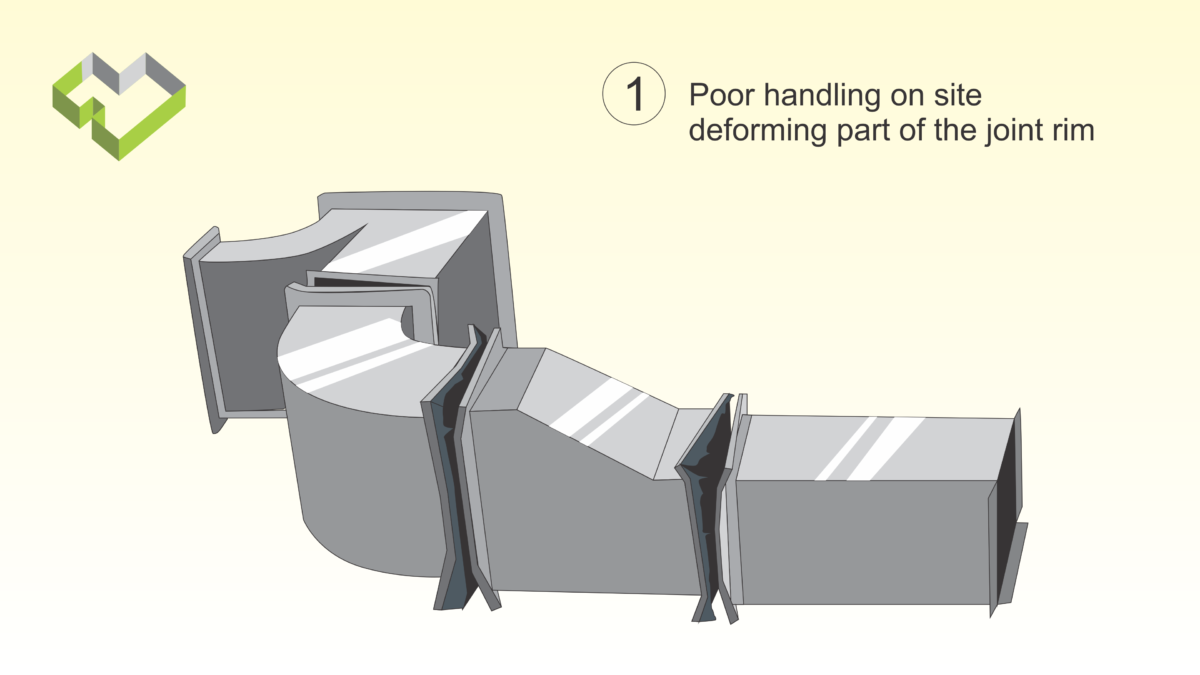
Is a lack of compliance checking contributing to this (out of sight, out of mind)?
It is more like the contractor did not receive feedback on non-optimum practices, therefore unknowing carry on the poor practices. The other reason is that the industry focus on the volume of air being delivered at various outlets as a key performance indicator for HVAC ducts. As long as the HVAC contractor meets the air delivery specified, it’s a job well done. Regardless of the level of leakage. Sometimes the slight oversized air handler ( safety margin) also reduces the incentive to improve duct sealing as the installers know there is going to be enough slack.
What do the NCC and/or standards require to achieve compliance? How is duct sealing measured? NCC requires testing a percentage of ductwork for compliance. Pressure Testing is used. Raising the duct pressure with a calibrated fan/ pitot tube.
If duct airtightness is to be taken seriously, Aeroseal is a no-brainer...
How Should Ducts be Sealed?
What are the best methods?
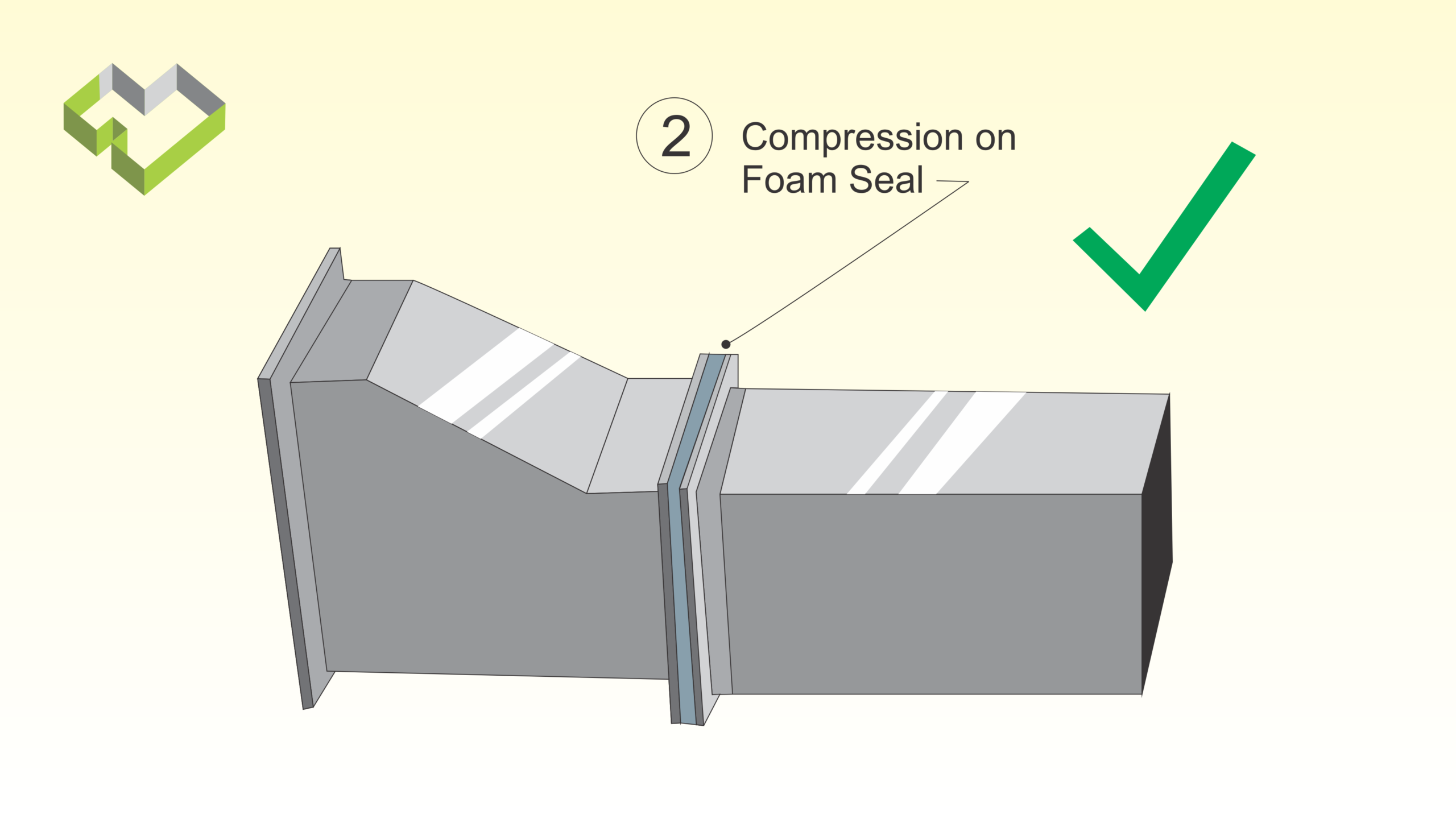
The conventional method of combining foam seals in transverse joints and mastics can effectively seal ducts. The issue is more on the inspection and verification of a seal being applied consistently everywhere. As the previous questions covered the theme that installers applied foam seals and mastics do not necessarily deliver sealed ductwork. Visual inspections can only do so much, especially when space is limited or when the seal is covered by other materials such as other ducts or attenuators. Pressure testing ducts can reveal the issues, but it can still be difficult to pinpoint the leaks even with the help of tracer or theatrical smoke. In some cases, the timing for pressure testing of ducts means traditional methods cannot be applied. Especially riser ducts enclosed in masonry shafts, masonry or speedwall shafts themselves can be difficult to troubleshoot also when they are finished off with plaster. Alternatively, hole sealing with Aeroseal by Efficiency Matrix's automated sealing system can be used to achieve the desired tightness level. Contact us for more information.